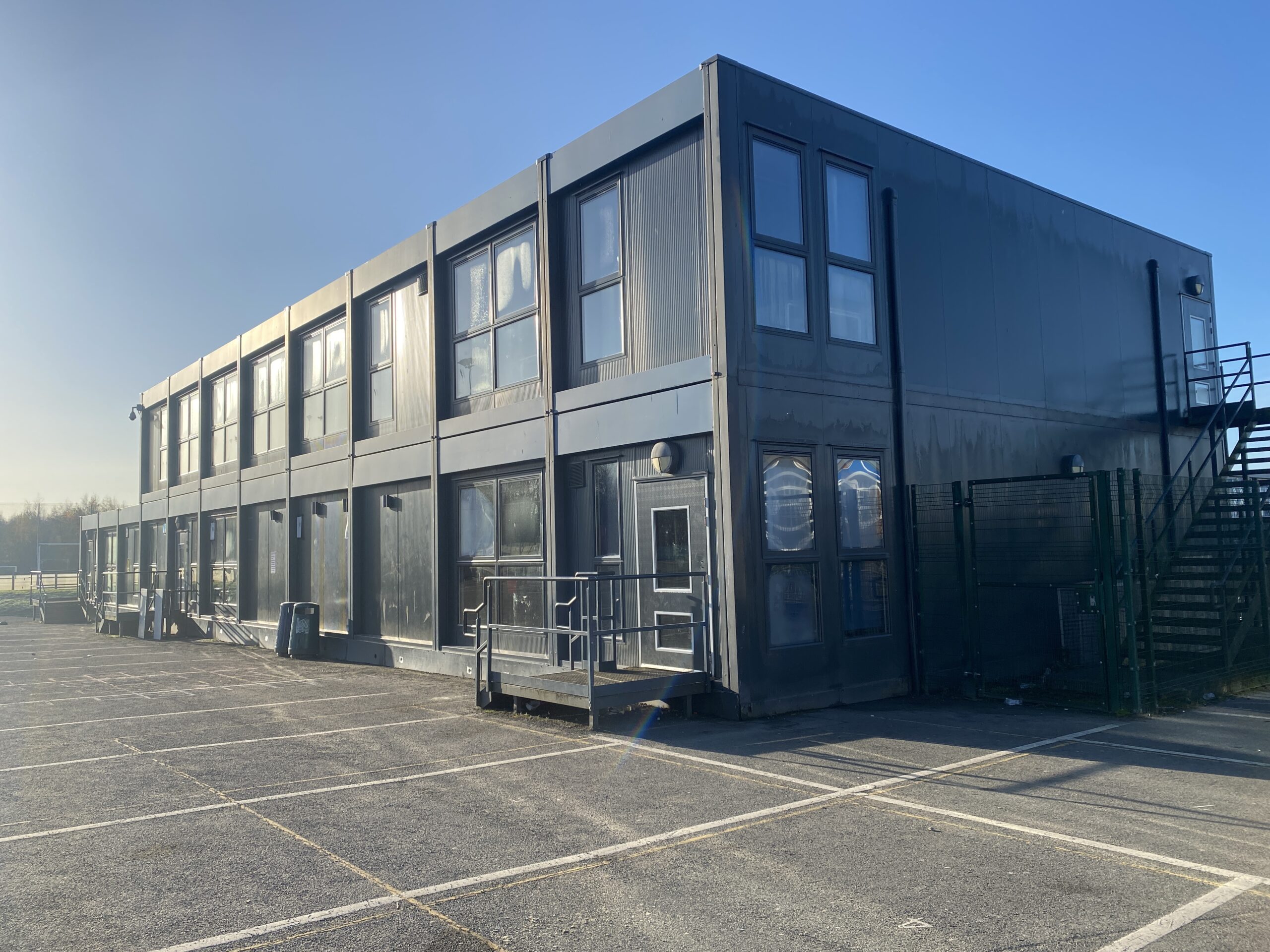
In crisis situations, speed, safety, and adaptability are paramount when reconstructing damaged communities. Traditional construction methods—characterized by on-site brick-and-mortar work—often struggle with lengthy timelines, unpredictable weather, and limited local resources. Prefabricated housing, on the other hand, offers a modular, factory-built approach that can be rapidly deployed, scaled, and customized to meet the urgent needs of disaster-affected areas. At Jindongs, we leverage these advantages to deliver resilient, cost-effective shelters that restore dignity and stability to communities when they need it most.
To maximize speed, quality, and sustainability, we at Jindongs integrate cutting-edge technologies throughout our design, production, and delivery processes. Below is an overview of our five-step technological workflow:
We begin with Building Information Modeling (BIM) to create detailed 3D models of each unit. BIM allows our engineers and clients to visualize layouts, optimize structural performance, and coordinate every element—electrical, plumbing, insulation—before production starts. This virtual prototyping minimizes on-site surprises and accelerates approval cycles.
In our controlled factory environment, we employ precision CNC machinery and robotic panel saws to cut and assemble wall, floor, and roof modules. Factory production ensures consistent quality, reduces material waste, and protects components from weather delays. Each module is quality-checked against BIM specifications before moving to the next stage.
For specialized parts—like custom fixtures, connectors, or decorative panels—we use large-format 3D printers. This capability lets us produce complex shapes on demand, tailor each unit to local cultural or climatic needs, and iterate designs quickly without costly tooling changes.
Once fabricated, modules are packed onto flat-rack containers or trucks equipped with IoT sensors and GPS trackers. Our logistics platform provides end-to-end visibility: shipment location, temperature and humidity inside containers, and estimated arrival times. Proactive alerts allow us to reroute or expedite deliveries if any delays arise.
Effective planning and strategy are critical to successfully deploying prefabricated shelters in crisis zones. At Jindongs, we blend data-driven assessments with agile operational frameworks to anticipate needs, secure resources, and coordinate stakeholders. This ensures that every shelter project is executed on time, within budget, and aligned with on-the-ground realities.
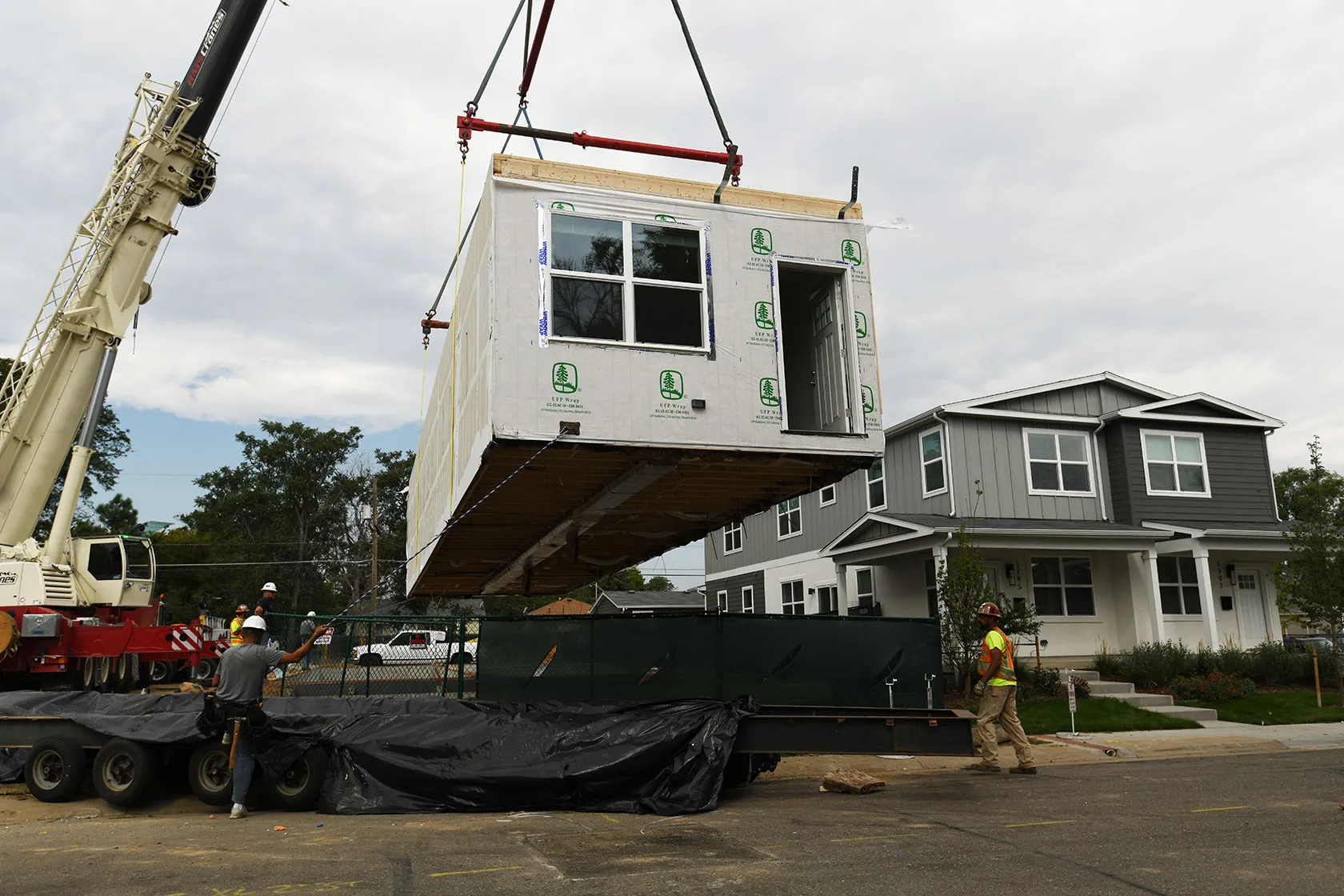
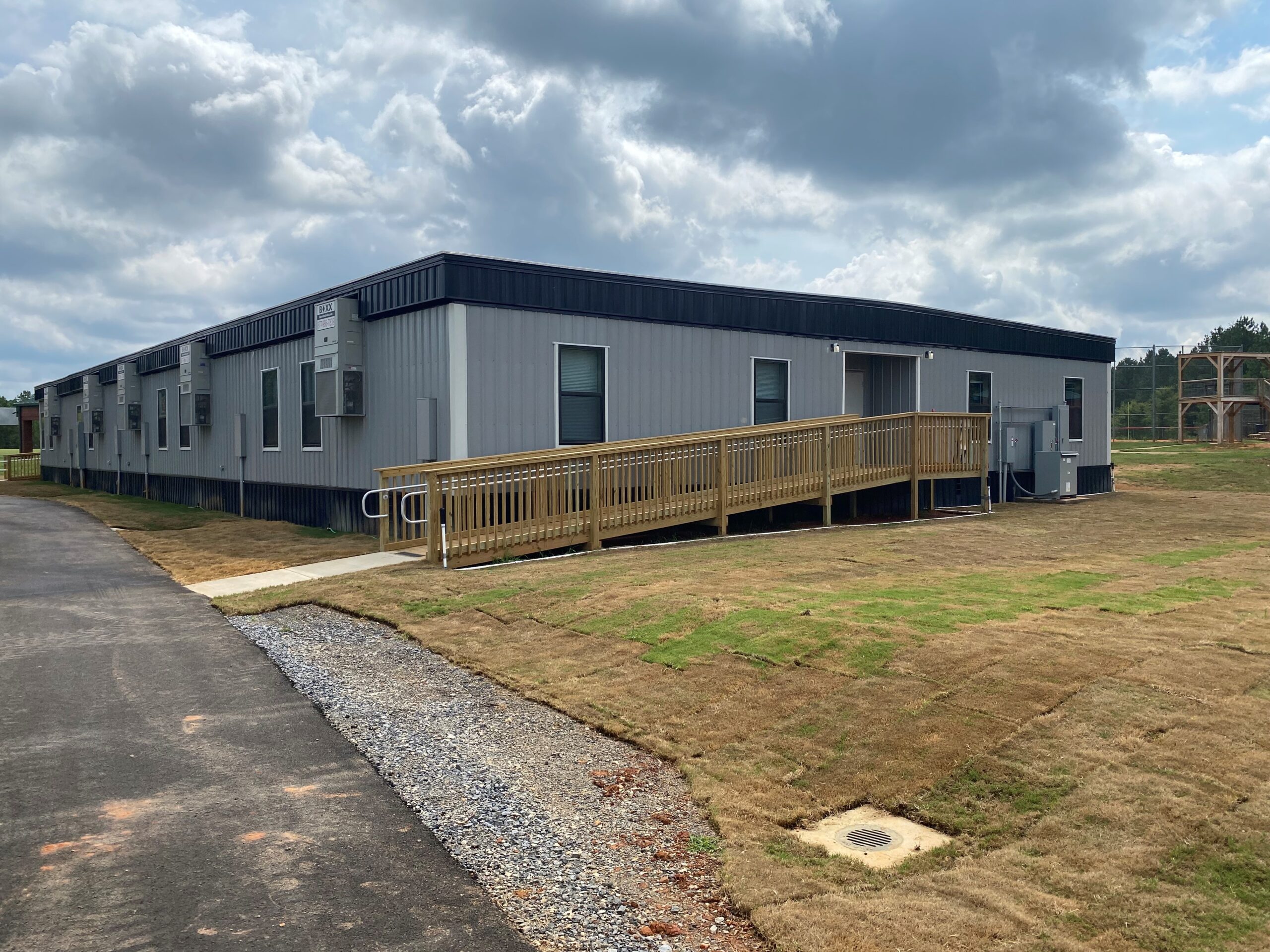
Prefab modules are manufactured off-site while site preparation (foundations, utilities) happens in parallel. This overlap can cut project timelines by up to 50%, allowing shelters, clinics, or offices to be operational in days rather than weeks or months.
Although per-unit material costs may be slightly higher for prefab modules, savings in labor, reduced site delays, and minimized waste typically result in overall project costs that are equal to or lower than traditional builds—especially when factoring in the high premiums of emergency labor and logistics.
Yes. Jindongs’ prefab units use steel frames, weather-resistant cladding, and insulated sandwich panels tested to withstand extreme temperatures, high winds, and seismic activity. Factory quality control ensures consistent structural integrity that often exceeds on-site variability.
Modern prefab systems are highly customizable: floor plans, façade treatments, insulation levels, and service interfaces (water, electrical, sanitation) can be tailored in the design phase. Iterations can be trialed virtually (via BIM) before factory production, delivering context-appropriate solutions faster than reworking brick-and-mortar builds on site.
Prefab modules arrive as compact, container-ready kits or flat-packs, simplifying customs clearance and transport. They require fewer heavy-lift cranes and less on-site storage space. In contrast, traditional builds demand continuous deliveries of bulky materials (cement, bricks, lumber), which can bottleneck at damaged roads or ports.
GREEN SMART Fast & Durable Solutions for Humanitarian Response
© All Rights Reserved.
No WhatsApp Number Found!
WhatsApp us