
Efficient and effective logistics are the backbone of any successful humanitarian response. Whether delivering prefabricated shelters, mobile field hospitals, or rapid-deployment offices, mastering best practices in humanitarian logistics ensures that aid reaches those who need it most—quickly, safely, and sustainably.
Risk Mapping & Vulnerability Analysis
Identify high-risk regions and potential hazards (earthquakes, floods, conflicts). Pre-position essential stocks (tents, medical kits, solar-powered units) in secure warehouses near these zones.
Contingency Protocols
Develop Standard Operating Procedures (SOPs) for surge capacity, security escalation, and rapid mobilization of teams and assets.
Prequalified Suppliers
Establish framework agreements with vetted vendors for prefabricated housing, field hospitals, office modules, and technical equipment to allow immediate procurement.
Real-Time Tracking Use GPS‐enabled tracking on cargo and vehicles to monitor movement from factory to distribution point. This minimizes delays and enhances accountability. Integrated Information Systems Leverage cloud‐based Logistics Management Information Systems (LMIS) to centralize purchase orders, inventory levels, and dispatch records—accessible by all stakeholders.
Modular Stock Organization Store items by scenario (e.g., “Shelter Kit A: 20 tents + solar lights + sanitation pack”) to accelerate pickup and loading. Environmental Controls Maintain warehouse conditions suitable for delicate equipment (temperature-controlled sections for medical devices; dry storage for prefabricated panels). FIFO & Shelf-Life Management Rotate stock to prevent expiration (especially medical supplies and water-purification units).
Multi-Modal Solutions Combine airlift, sea freight, and overland convoys according to urgency, cost, and access constraints. Prefabricated units and field hospitals are designed for container‐or truck‐based shipping and rapid off-loading. Last-Mile Adaptability Deploy light-duty vehicles, drones, or even boat transport for inaccessible areas. Prepare collapsible office modules and single-unit shelters that can be airlifted by helicopter if roads are impassable. Security & Compliance Work with local authorities, UN agencies, and NGOs to secure necessary permits, customs clearances, and safe-pass corridors.
Collaborate with Local NGOs Tap into existing networks for distribution, site preparation, and beneficiary identification. Local partners can provide context—cultural, linguistic, and logistical—that improves acceptance and use of delivered assets. Capacity Building Train local teams on erecting modular shelters, operating field hospital equipment, and maintaining technical systems (solar power, water treatment).
At Jindongs, effective planning and strategy form the foundation of our humanitarian logistics operations. We begin with comprehensive risk assessments and scenario modeling to forecast needs accurately. Based on these insights, we develop flexible supply chain frameworks that allow for rapid scaling and adaptation. Our strategy emphasizes pre-positioning essential assets, establishing clear SOPs, and integrating stakeholder feedback to continuously refine our response capabilities. By aligning our operational plans with local contexts and partner networks, we ensure that every deployment is both efficient and impactful.
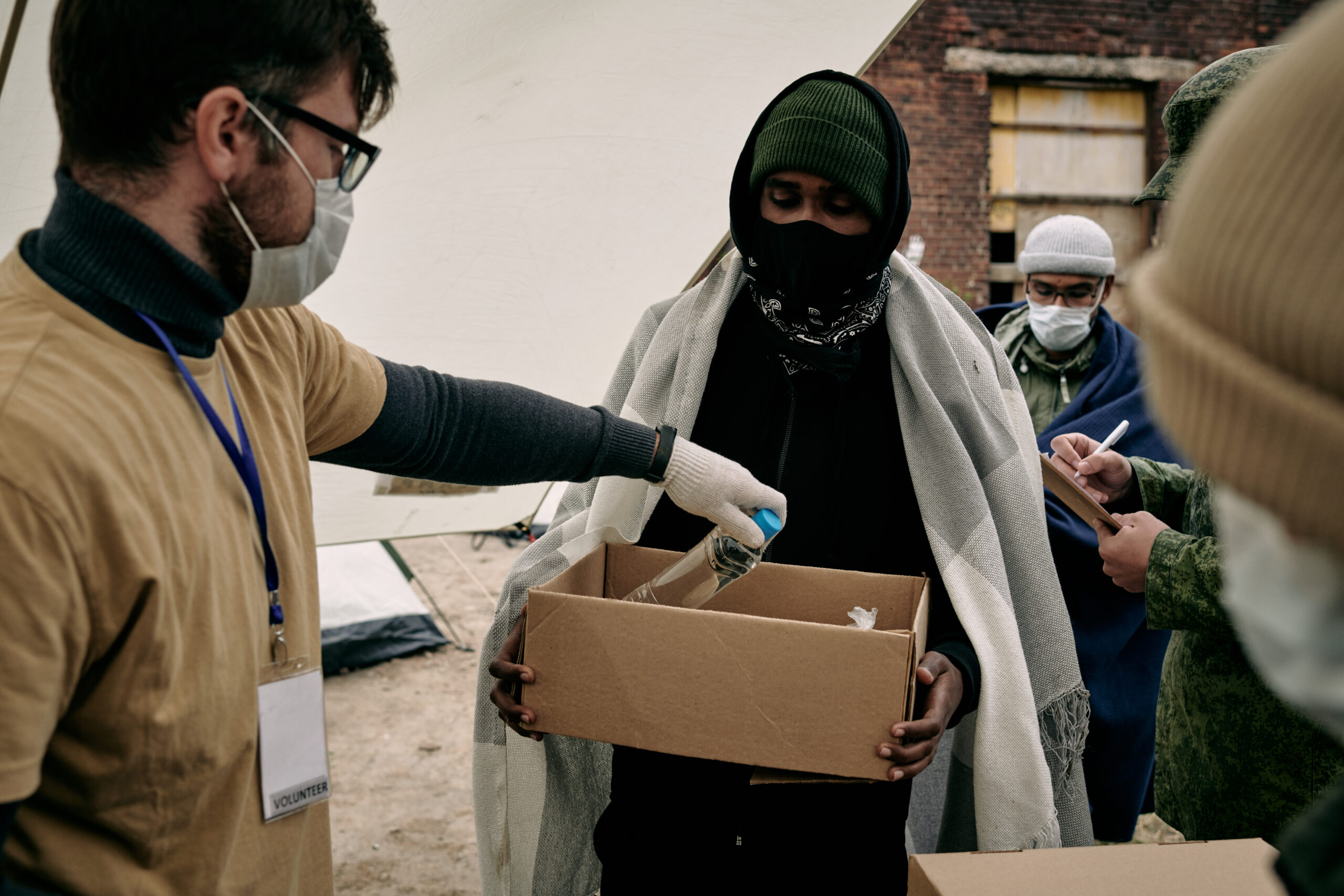
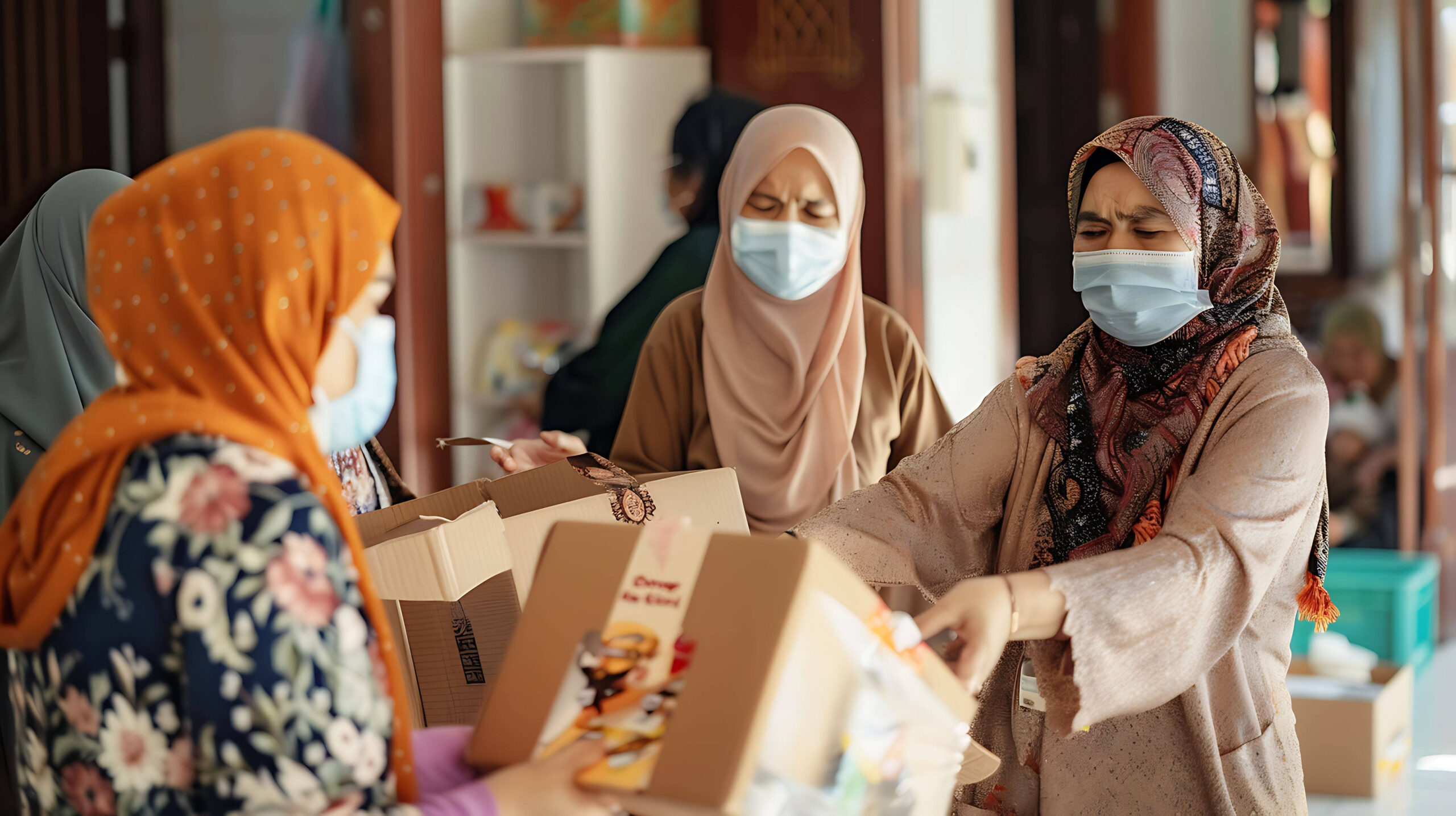
We maintain pre-positioned buffer stocks in strategic regional warehouses and use multi-modal transport contracts (air, sea, land). Our modular units are designed for easy handling and quick off-loading, so upon arrival we can begin on-site assembly within hours.
Every pallet and container is fitted with GPS trackers and RFID tags. Our cloud-based Logistics Management Information System (LMIS) aggregates real-time location, temperature, and humidity data, allowing project managers and partners to monitor progress and receive automated alerts.
We establish framework agreements with multiple vetted suppliers and freight providers, allowing us to surge production or shipping on short notice. AI-driven demand forecasting helps us anticipate needs and ramp up factory output before disasters strike.
We embed liaison officers in country offices to work directly with government agencies, UN clusters, and NGOs. This local coordination secures customs clearances, identifies safe-access corridors, and links our deliveries with community networks for efficient handover.
In our controlled-environment factories, we use BIM-driven designs and robotic inspection to verify structural integrity, insulation performance, and sanitary compliance. Each module undergoes a final third-party audit before shipment to certify adherence to Sphere and ISO standards.
GREEN SMART Fast & Durable Solutions for Humanitarian Response
© All Rights Reserved.
No WhatsApp Number Found!
WhatsApp us